

Understanding the Goethe Certificate: A Comprehensive Guide
The Goethe Certificate plays a critical function for people seeking to confirm their German language skills. Called after Johann Wolfgang von Goethe, the distinguished German poet and playwright, the certificate is not just a paper; it represents a detailed evaluation of one's proficiency in the German language. This post explores the various elements of the Goethe Certificate, including its significance, structure, levels, and the benefits it provides to students and specialists alike.
What is the Goethe Certificate?
The Goethe Certificate is a globally recognized credential granted by the Goethe-Institut, a worldwide cultural company that promotes the German language and culture. her latest blog evaluates language efficiency throughout a variety of proficiencies, including reading, composing, speaking, and listening. Whether one go for academic advancement, migration purposes, or expert development, getting this certificate can substantially enhance one's certifications.
Value of the Goethe Certificate
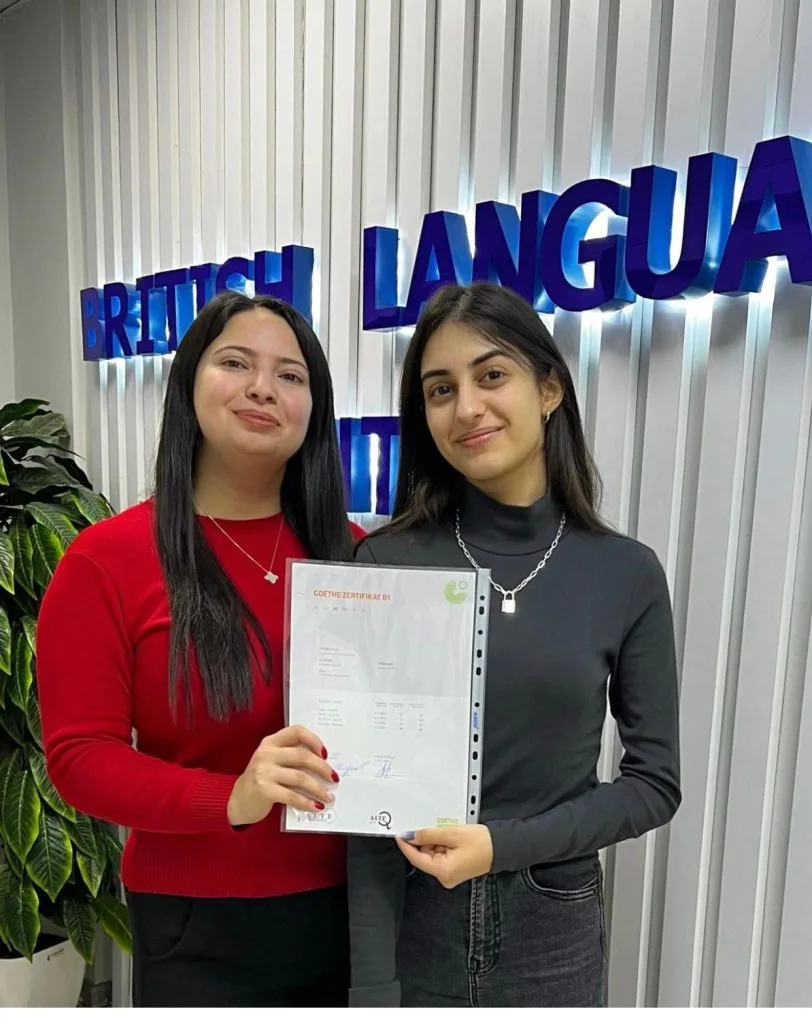
Standardized Assessment: The Goethe Certificate utilizes standardized testing practices to offer an objective evaluation of a learner's language abilities. This makes sure consistency and reliability in evaluations performed throughout numerous areas worldwide.
International Recognition: The certificate is acknowledged by universities, companies, and government companies in German-speaking countries and beyond. For individuals wishing to study or work in Germany, possessing this certificate often ends up being necessary.
Profession Advancement: In a significantly interconnected world, proficiency in the German language can open up many profession chances. Companies frequently prefer prospects with verified language skills, and the Goethe Certificate acts as evidence of efficiency.
Cultural Understanding: Achieving the Goethe Certificate necessitates not just language proficiency but also a deeper understanding of German culture and society. This cultural insight can improve one's experience living or operating in German-speaking nations.
Levels of the Goethe Certificate
The Goethe Certificate is categorized into numerous levels, representing different standards of language proficiency as explained by the Common European Framework of Reference for Languages (CEFR). The levels are:
A1 (Beginner): Basic understanding of daily expressions and simple expressions.
A2 (Elementary): Ability to communicate in basic jobs and regular scenarios.
B1 (Intermediate): Capability to manage most scenarios that might arise while taking a trip in a German-speaking area.
B2 (Upper Intermediate): Proficiency in understanding the essences of complicated texts and connecting with native speakers with a degree of fluency.
C1 (Advanced): Fluent usage of the language in social, academic, and expert contexts.
C2 (Proficient): Mastery of the language with a capability to comprehend essentially everything heard or read.
Structure of the Examination
Each level of the Goethe Certificate assessment includes four parts:
Listening Comprehension: Candidates listen to taped discussions, speeches, or presentations and respond to concerns based on what they have actually heard.
Reading Comprehension: This section evaluates the ability to check out and comprehend different kinds of texts, from ads to brief stories.
Writing: Candidates are needed to compose texts in German, showing their grasp of language structure, vocabulary, and writing conventions.
Speaking: In this element, candidates participate in verbal communication, typically through structured discussions with examiners or partner candidates.
The structure makes sure a holistic assessment of all language skills, offering a clear picture of the candidate's efficiency level.
Preparing for the Goethe Certificate
Preparation is crucial to success when sitting for the Goethe Certificate examination. Here are some pointers to assist prospects prepare effectively:
1. Understand the Format
Familiarizing oneself with the assessment format, types of questions, and time allocations is important. This can be attained through sample tests readily available on the Goethe-Institut site.
2. Practice Regularly
Engaging with the German language daily can significantly enhance efficiency. Listening to German music, watching movies, reading German books, and consulting with native speakers can boost language abilities.
3. Use Study Materials
Numerous resources, such as books particularly developed for the Goethe Certificate, online courses, and language learning apps, can facilitate effective knowing.
4. Sign Up With a Language Class
Learning in a structured environment with a qualified instructor can supply assistance, inspiration, and valuable feedback. Lots of institutes deal courses particularly tailored for those getting ready for the Goethe Certificate.
5. Take Practice Tests
Taking practice tests can help gauge readiness and enhance time management strategies during the real assessment.
Benefits of the Goethe Certificate
Acquiring the Goethe Certificate confers many advantages:
Educational Opportunities: The certificate is a requirement for admission to numerous German universities, allowing non-native speakers to request scholastic programs.
Task Market Competitiveness: Having a Goethe Certificate can distinguish prospects in competitive task markets, making them more attractive to companies.
Network Opportunities: Engaging in language preparation classes or forums offers networking opportunities with other learners, opening doors to social and professional connections.
Increased Confidence: Achieving a language certification can increase a person's self-confidence in their language skills, encouraging more knowing and expedition of the language.
Regularly Asked Questions (FAQs).
What is the Goethe Certificate?
The Goethe Certificate is a credential awarded by the Goethe-Institut to individuals who have demonstrated efficiency in the German language.
How is the Goethe Certificate different from other language accreditations?
The Goethe Certificate is specifically focused on the German language and is recognized internationally. Other language certifications, such as IELTS or TOEFL, evaluate proficiency in English.
How long is the Goethe Certificate valid?
The Goethe Certificate does not end and stands indefinitely. However, individuals are encouraged to preserve and enhance their language abilities over time.
Can I take the Goethe Certificate online?
The Goethe-Institut provides both in-person and online assessment formats, enabling candidates versatility in how they select to take the test.
What are the costs associated with the Goethe Certificate?
The expenses for taking the Goethe Certificate evaluations differ depending on the level and area; it is recommended to inspect the official Goethe-Institut site for the most precise information.
Can I retake the Goethe Certificate exam if I do not pass?
Yes, candidates can retake the evaluation. It is necessary to require time to enhance upon weaknesses before trying once again.
Conclusion.
The Goethe Certificate is important for anybody wanting to establish their German language efficiency. Its structured levels, thorough evaluations, and international recognition make it a vital credential for academic, professional, and individual development. By preparing effectively and understanding the worth of this accreditation, individuals can open a wide variety of chances in a globalized society.